Central Heating & Cooling: A Comprehensive Guide to Optimal Home Comfort
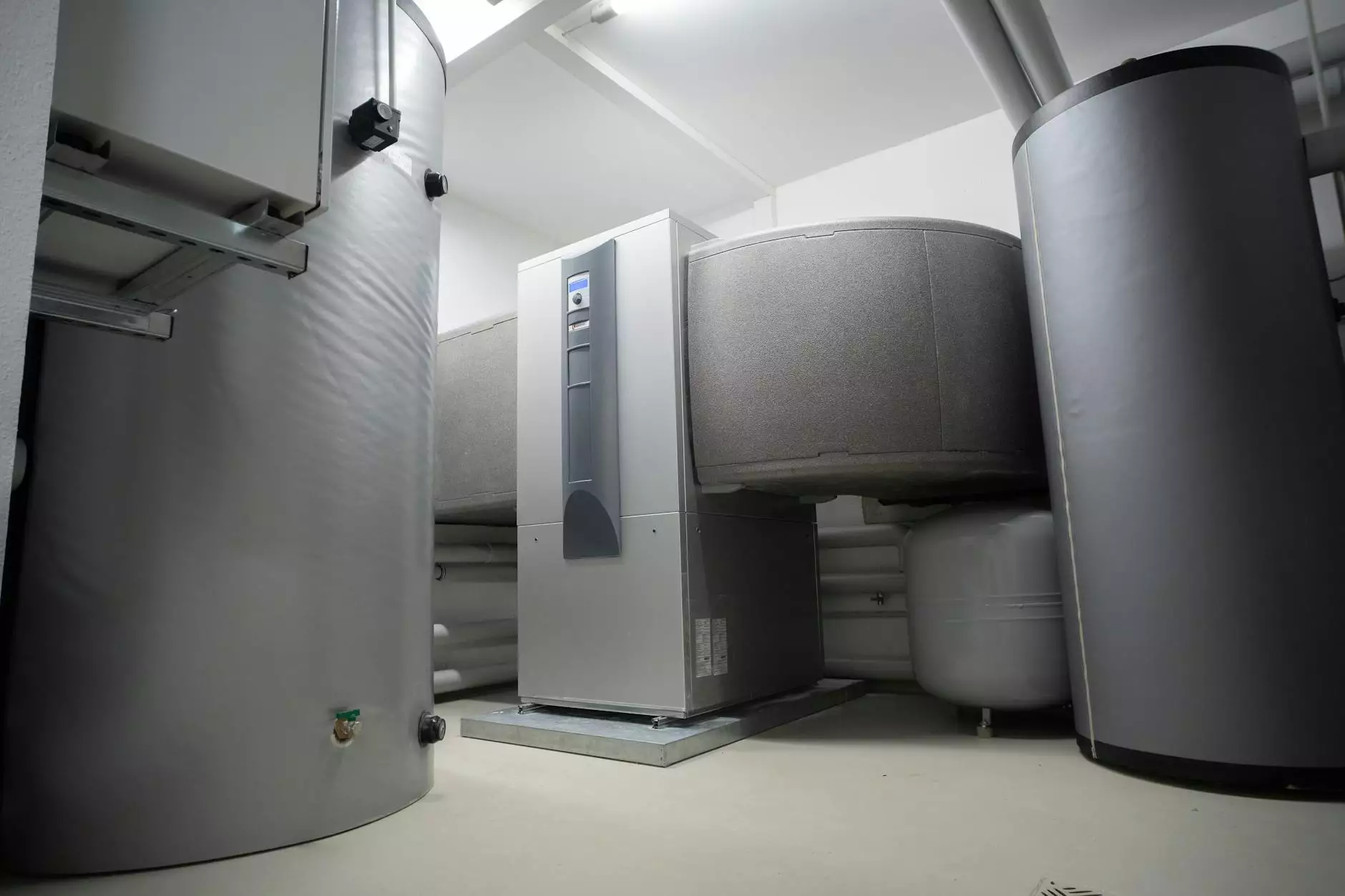
In today’s fast-paced world, central heating & cooling systems have become indispensable for maintaining a comfortable living environment. With fluctuating temperatures throughout the year, having a reliable heating and cooling solution is not just a luxury, but a necessity for homeowners. This article delves deep into the concept of central heating & cooling, providing essential insights, tips, and maintenance advice to ensure your system operates efficiently and lasts for years to come.
Understanding Central Heating & Cooling Systems
At its core, a central heating & cooling system consists of various components that work in unison to regulate indoor temperatures. These systems are designed to heat or cool an entire home rather than just a single room, offering convenience and efficiency. Here are the primary components of these systems:
- Furnace or Boiler: The heart of a heating system, responsible for generating heat.
- Heat Pumps: Devices that can both heat and cool, often using refrigerants to transfer heat.
- Air Conditioner: A critical component for cooling, working in tandem with the furnace in a split system.
- Ductwork: The network through which heated or cooled air is distributed throughout the home.
- Thermostats: Programmable devices that allow homeowners to set and adjust temperatures efficiently.
The Benefits of Central Heating & Cooling
Investing in a central heating & cooling system offers numerous benefits that enhance the quality of life in your home:
- Consistent Temperature Control: Central systems evenly distribute heat and cool air, eliminating hot or cold spots.
- Energy Efficiency: Modern systems are designed to consume less energy, which can significantly reduce utility bills.
- Increased Home Value: A well-maintained heating and cooling system adds value to your property, making it more appealing to potential buyers.
- Improved Air Quality: These systems can be equipped with air filters that alleviate allergens and pollutants, ensuring cleaner indoor air.
- Convenience: Central systems are easy to manage with the use of smart thermostats and remote controls, making temperature adjustments effortless.
Choosing the Right Central Heating & Cooling System
Selecting the right central heating & cooling system for your home involves careful consideration of several factors:
1. Assess Your Home's Size
Understanding the square footage of your home is crucial in determining the capacity of the heating and cooling system you need. An oversized system can lead to inefficiencies, while an undersized one may not maintain comfortable temperatures.
2. Consider Your Local Climate
The climate in your area plays a significant role in the type of system that will be most effective. For example, areas with extreme cold may benefit more from efficient heating systems, while warmer climates necessitate powerful cooling systems.
3. Energy Efficiency Ratings
Look for systems with high SEER (Seasonal Energy Efficiency Ratio) and AFUE (Annual Fuel Utilization Efficiency) ratings. The higher these numbers, the more energy-efficient the system will be.
4. Budget
Your budget will affect your options significantly. While it may be tempting to choose the cheapest system, it’s essential to consider the long-term savings associated with more energy-efficient models.
5. Brand Reputation and Warranty
Research reputable brands that offer reliable products accompanied by comprehensive warranties to protect your investment.
Maintaining Your Central Heating & Cooling System
Regular maintenance is essential to ensure your central heating & cooling system operates efficiently and lasts as long as possible. Here are some maintenance tips:
1. Schedule Regular Inspections
Have a professional inspect your system at least once a year. During these inspections, the technician will clean and service the components, ensuring everything is functioning correctly.
2. Change Filters Regularly
Replace or clean air filters every 1-3 months. Dirty filters can restrict airflow, making your system work harder and consume more energy.
3. Keep Outside Units Clean
For systems with outdoor components, such as air conditioners and heat pumps, keep the surrounding area clear of debris to allow for proper airflow.
4. Seal Ducts
Ensure your ductwork is sealed and insulated properly. Leaky ducts can waste up to 30% of the energy used in the system.
5. Check Thermostat Settings
Make sure your thermostat is calibrated correctly and operating efficiently, especially if you have a programmable model.
Signs Your Central Heating & Cooling System Needs Repair
Recognizing the signs that your system needs repair can save you from more significant issues in the future. Here are some common indicators:
- Inconsistent Temperatures: Noticeable temperature fluctuations throughout your home may suggest a malfunctioning system.
- Unusual Noises: Strange sounds like banging or hissing indicate potential mechanical issues that require immediate attention.
- Increased Energy Bills: A sudden spike in energy costs could mean your system is working harder than normal due to inefficiencies.
- Unpleasant Odors: Musty or burning smells can signal issues needing urgent professional intervention.
- Age of the System: If your system is over 15 years old, it may be time to start considering a replacement.
Conclusion
In summary, investing in a central heating & cooling system is crucial for maintaining a comfortable living space year-round. Understanding the components, benefits, and necessary maintenance can help ensure your system operates efficiently. By choosing the right system and committing to regular maintenance, you can enhance your home’s comfort and value while enjoying the peace of mind that comes with a well-functioning heating and cooling solution.
Whether you’re in the midst of a new installation or seeking advice on maintaining your existing system, trust the experts at Regraves HVAC for all your heating and cooling needs.