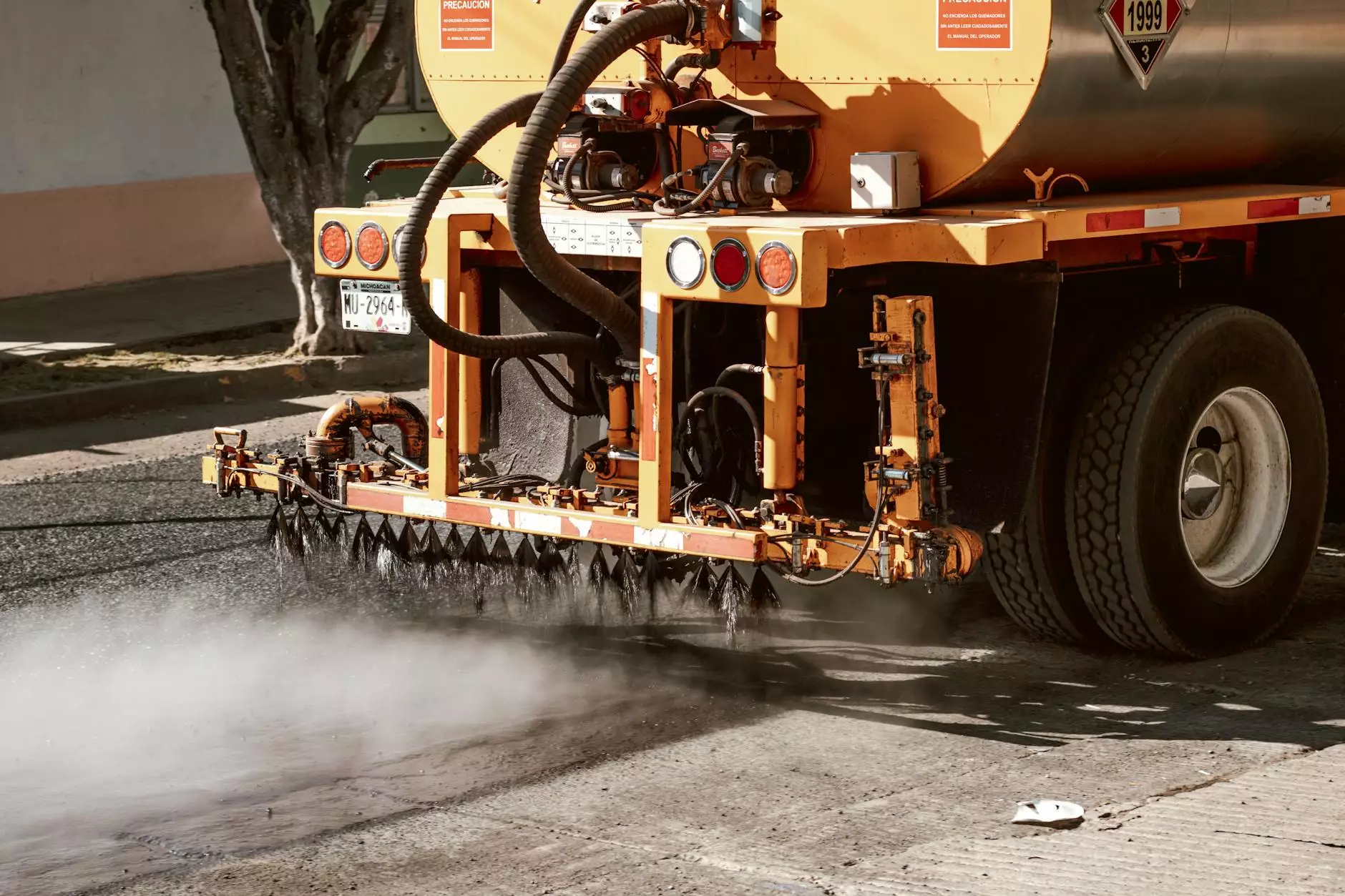
Revitalizing Urban Spaces: The Essential Role of Street Sweeping Vehicles

In the hustle and bustle of modern city life, one often overlooked aspect is the importance of street sweeping vehicles. These magnificent machines play a crucial role in maintaining cleanliness, enhancing the beauty of urban landscapes, and ensuring the overall health of the environment. In this extensive article, we will delve into the myriad benefits of street sweeping vehicles, explore their innovative designs, and uncover the future advancements in this indispensable industry.
The Importance of Street Cleaning
Street cleaning is not merely about aesthetics; it is about public health, environmental protection, and social responsibility. Regular sweeping of streets has several significant advantages:
- Health Benefits: Accumulated debris and pollutants can lead to respiratory issues and other health problems. Street sweeping mitigates these risks by reducing dust and allergens.
- Environmental Protection: Leaves and trash can clog drainage systems, leading to flooding. By removing debris, street sweeping vehicles help manage stormwater runoff, protecting local water bodies from pollution.
- Aesthetic Appeal: Clean streets enhance the visual appeal of neighborhoods and encourage community pride. They attract visitors and businesses, contributing to economic growth.
- Infrastructure Longevity: Regular cleaning can extend the lifespan of roads and other infrastructure by preventing damage caused by accumulated debris.
Types of Street Sweeping Vehicles
The evolution of street sweeping technology has led to a variety of vehicle types, each designed to cater to specific urban needs and challenges. Understanding these types can help municipalities make informed choices for their street cleaning programs.
1. Mechanical Broom Sweepers
Mechanical broom sweepers are among the most common street sweeping vehicles. They utilize rotating brushes to dislodge dirt and debris from the street surface, which is then collected into a hopper. Features include:
- Flexibility: Able to sweep various surfaces, including asphalt and concrete.
- Cost-Effectiveness: Generally, they require lower operational costs than other types of sweepers.
- Ease of Maintenance: Fewer complex components make these sweepers easier to maintain.
2. Vacuum Sweepers
Vacuum sweepers are designed for efficient dirt and debris removal and can often handle heavier loads than mechanical broom sweepers. Their benefits include:
- Dust Control: The vacuum feature minimizes dust emissions, important during dry conditions.
- Effective Debris Removal: Capable of sucking up larger debris, ensuring a thorough clean.
- Water Utilization: Some models utilize water to suppress dust, offering a more comprehensive cleaning solution.
3. Regenerative Air Sweepers
Regenerative air sweepers represent cutting-edge technology in street cleaning. They utilize high-velocity air to displace debris. Some notable features are:
- Versatile Cleanup: Effective in various conditions, they can pick up fine dust and large debris while minimizing environmental impact.
- Competition with Traditional Sweepers: Regenerative air sweepers are renowned for their efficiency, often outperforming traditional models.
- Reduced Noise Pollution: Many newer models operate at lower noise levels, making them suitable for urban areas.
Innovations in Street Sweeping Technology
As cities evolve, so too does the technology that keeps them clean. Innovations in street sweeping vehicles are vital in enhancing efficiency, safety, and environmental sustainability. Here are some groundbreaking advancements in the industry:
1. Eco-Friendly Engines
With growing awareness of environmental concerns, many manufacturers are now producing street sweeping vehicles powered by eco-friendly engines. These vehicles often utilize alternative fuels such as:
- Electricity: Reducing carbon emissions and noise pollution.
- Biodiesel: Derived from renewable resources, providing a sustainable alternative to traditional fuels.
2. Smart Technology Integration
The integration of smart technology is revolutionizing the street sweeping landscape. Examples include:
- GPS Tracking: Enables efficient route planning and real-time monitoring of sweeper locations.
- Data Analytics: Collecting data on street conditions to optimize sweeping schedules, ensuring thorough coverage where it is needed most.
3. Enhanced Safety Features
Modern street sweeping vehicles are equipped with advanced safety features to protect both operators and pedestrians. Innovations include:
- Automatic Braking Systems: Help prevent accidents in pedestrian-heavy areas.
- Visibility Enhancements: Improved lighting and camera systems for better sight during night operations and in low visibility conditions.
The Economic Impact of Street Sweeping Vehicles
The economic ramifications of effective street cleaning operations extend beyond their immediate cost savings. A thorough street cleaning program led by street sweeping vehicles can result in significant benefits:
1. Increased Property Values
Communities that boast clean streets and well-maintained public spaces often see higher property values. The aesthetic appeal of a neighborhood directly affects residents’ decisions to invest in their properties.
2. Boost to Local Businesses
Clean streets attract more foot traffic. When streets are free of debris, pedestrians feel more comfortable shopping, dining, and enjoying public spaces, contributing to vitality in local economies.
3. Job Creation
Maintaining efficient street sweeping programs can lead to job growth within municipalities. The demand for operators, maintenance staff, and supporting roles in logistics and analytics expands as cities prioritize cleanliness and sustainability.
Choosing the Right Street Sweeping Vehicle
Deciding on the ideal street sweeping vehicle involves careful consideration of various factors. Here are key aspects municipal decision-makers should evaluate:
- Operational Environment: Different vehicles perform better in urban versus rural settings.
- Budget Constraints: Assess the total cost of ownership, including purchase, maintenance, and operational costs.
- Waste Management Goals: Align vehicle capabilities with long-term sustainability and waste reduction targets.
- Technology Needs: Determine the necessity for smart technology features based on community size and resources.
The Future of Street Sweeping Vehicles
The future holds exciting prospects for street sweeping vehicles as technology and environmental considerations continue to advance. Anticipated developments include:
1. Automation and Robotics
As autonomous technology advances, we may soon witness fully automated street sweeping vehicles that can operate independently, optimizing routes based on real-time urban conditions.
2. Enhanced Sustainability Measures
Increased focus on sustainability will lead to advancements in vehicle designs aimed at minimizing environmental impact, further aligning with global clean energy goals.
Conclusion
Street sweeping vehicles are more than just machines; they are vital players in maintaining clean, vibrant, and healthy urban environments. As we continue to innovate and embrace advanced technologies, we not only enhance city cleanliness but also contribute to improved public health, environmental sustainability, and economic prosperity. Investing in efficient street sweeping programs is an investment in the future of our urban spaces. For more information on street sweeping vehicles, visit ceksansweepers.com and explore our offerings and insights into the future of urban maintenance.