Effective Control of Rice Weevil: Strategies for Farmers
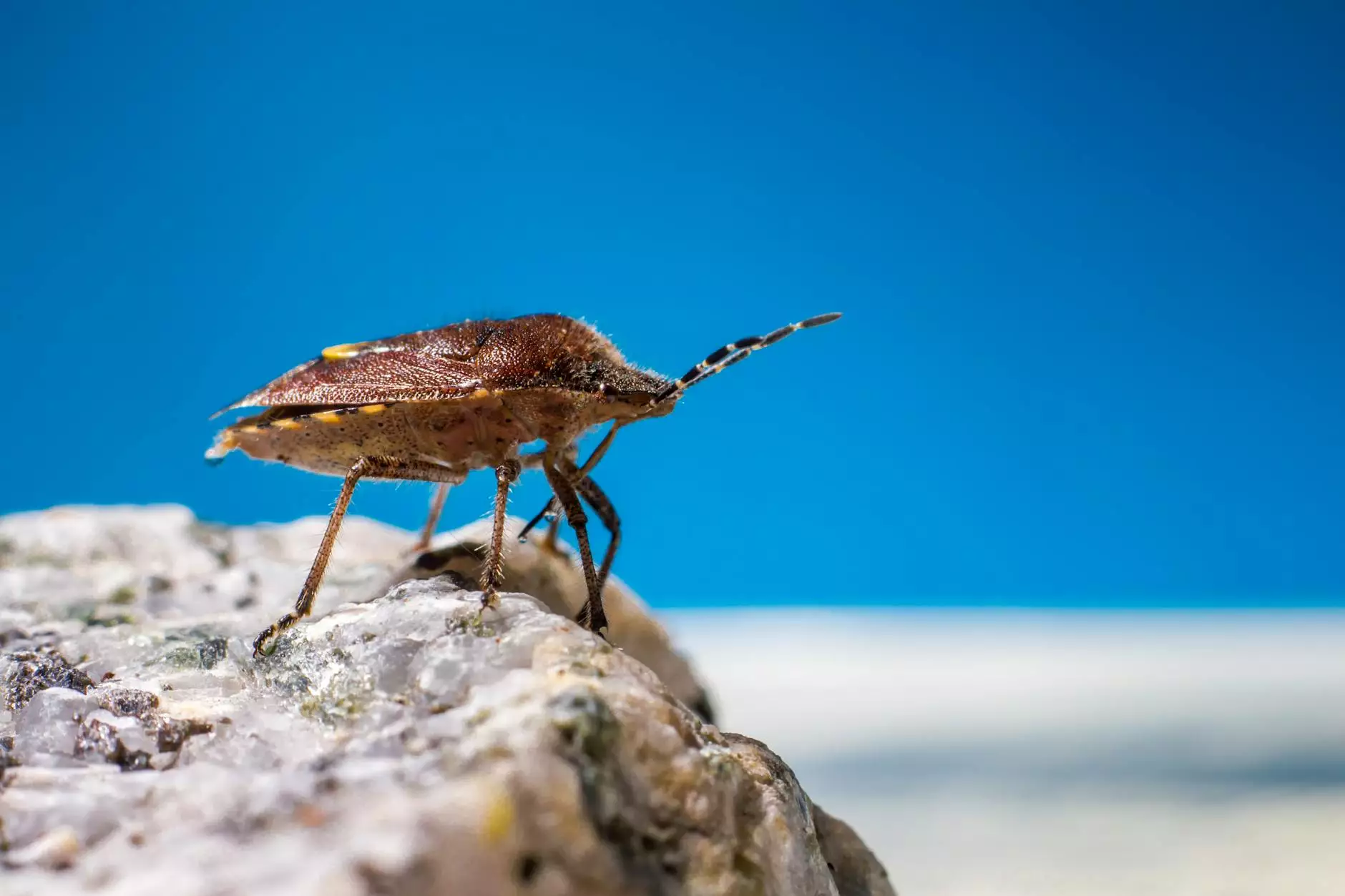
Rice weevils are one of the most formidable pests that can affect stored rice grain. Controlling these pests is crucial for farmers and grain storage facilities as they can lead to significant losses in quality and yield. Implementing effective strategies for the control of rice weevil is essential for maintaining the integrity of stored products. In this article, we dive deep into understanding rice weevils, their lifecycle, impact on storage, and best control practices. We will also explore how proper farming equipment maintenance plays a role in pest control.
Understanding Rice Weevils
The rice weevil, scientifically known as Sitophilus oryzae, is a small beetle that primarily infests rice and other whole grains. Characterized by their elongated bodies and distinctive snouts, rice weevils can be identified by their reddish-brown color and the four characteristic spots on their elytra (hardened forewings).
Lifestyle and Behavior of Rice Weevils
Rice weevils have a unique lifecycle comprising four stages: egg, larva, pupa, and adult. The complete cycle can occur in as little as 4 to 6 weeks under optimal conditions, which include warm temperatures and a constant food source. The females lay eggs inside the grain kernel, and upon hatching, the larvae consume the contents, leading to the deterioration of stored grains.
Why Control of Rice Weevil is Essential
The control of rice weevil is vital for several reasons:
- Preventing Economic Loss: Infestations can lead to the destruction of entire stocks of grain, resulting in severe financial losses.
- Maintaining Quality: Weevils can compromise the quality of rice, making it unappealing to consumers and reducing its market value.
- Ensuring Food Safety: Beyond quality issues, weevils can cause contamination, leading to potential health risks for consumers.
Effective Strategies for Control of Rice Weevil
1. Proper Storage Practices
To effectively manage weevil infestations, start with good storage practices:
- Airtight Containers: Store rice in airtight bins to limit the access of weevils. This restricts air access that they need to thrive.
- Regular Cleaning: Regularly clean storage areas to eliminate residues that might attract weevils.
- Monitor Temperature and Humidity: Keep storage facilities cool and dry, as rice weevils thrive in warmer, humid conditions.
2. Monitoring and Inspection
Performing regular inspections of stored grains is crucial in identifying early signs of infestation:
- Visual Checks: Inspect stored products regularly for signs of weevils or damage.
- Pheromone Traps: Use pheromone traps to monitor adult populations. This gives insight into infestation levels.
3. Natural and Chemical Control Methods
There are several methods to control weevil populations—both natural and chemical. Consider the following:
Natural Methods
- Diatomaceous Earth: This natural powder can be sprinkled on grains to disrupt the exoskeleton of weevils, leading to dehydration.
- Essential Oils: Certain essential oils such as clove oil and neem oil can repel weevils. Incorporate these into stored grain treatments.
Chemical Methods
If infestations are severe, chemical control might be necessary:
- Insecticides: Use insecticides specifically labeled for use against rice weevils, ensuring compliance with local regulations.
- Fumigation: For large storage areas, consider consulting professional pest management services for effective fumigation solutions.
The Role of Farming Equipment in Pest Control
Maintaining farming equipment is another often-overlooked aspect that can influence the effectiveness of rice weevil control. Properly functioning machinery is essential in both harvesting and storing grains:
1. Regular Equipment Maintenance
Regular maintenance of harvesting and storage equipment helps prevent grain damage and reduces the risk of infestation:
- Cleansing Equipment: Ensure that harvesting machines are cleaned and free of residual grains after use.
- Inspection for Damage: Regularly inspect machinery for any wear or damage, which can impact efficiency and increase the risk of pest attraction.
2. Upgrading Equipment
Investing in modern and efficient equipment can significantly mitigate pest control issues:
- Advanced Grain Packers: Use advanced packing technologies that minimize exposure and bulk storage that attracts pests.
- Automated Monitoring: Consider equipment that offers automated monitoring of storage conditions, such as temperature and humidity.
Conclusion
In summary, effective control of rice weevil is a multi-faceted approach that includes good storage practices, consistent monitoring, natural and chemical control methods, and diligent maintenance of farming equipment. By implementing these strategies, farmers can significantly reduce the risk of infestations, preserve the quality of their rice, and protect their economic interests.
Stay proactive in your pest management efforts by adopting innovative solutions and continually educating yourself on best practices in farming equipment repair and pest control. Always remember, the health of your harvest is aligned with the integrity of your storage systems and the efficiency of your machinery.
Additional Resources
For more information on effective pest control strategies and farming equipment maintenance, visit tsgcinc.com. Here you'll find articles, expert advice, and resources tailored for farmers looking to maximize their yield and efficiency.