The Rise of Drones: Transforming Business Landscapes
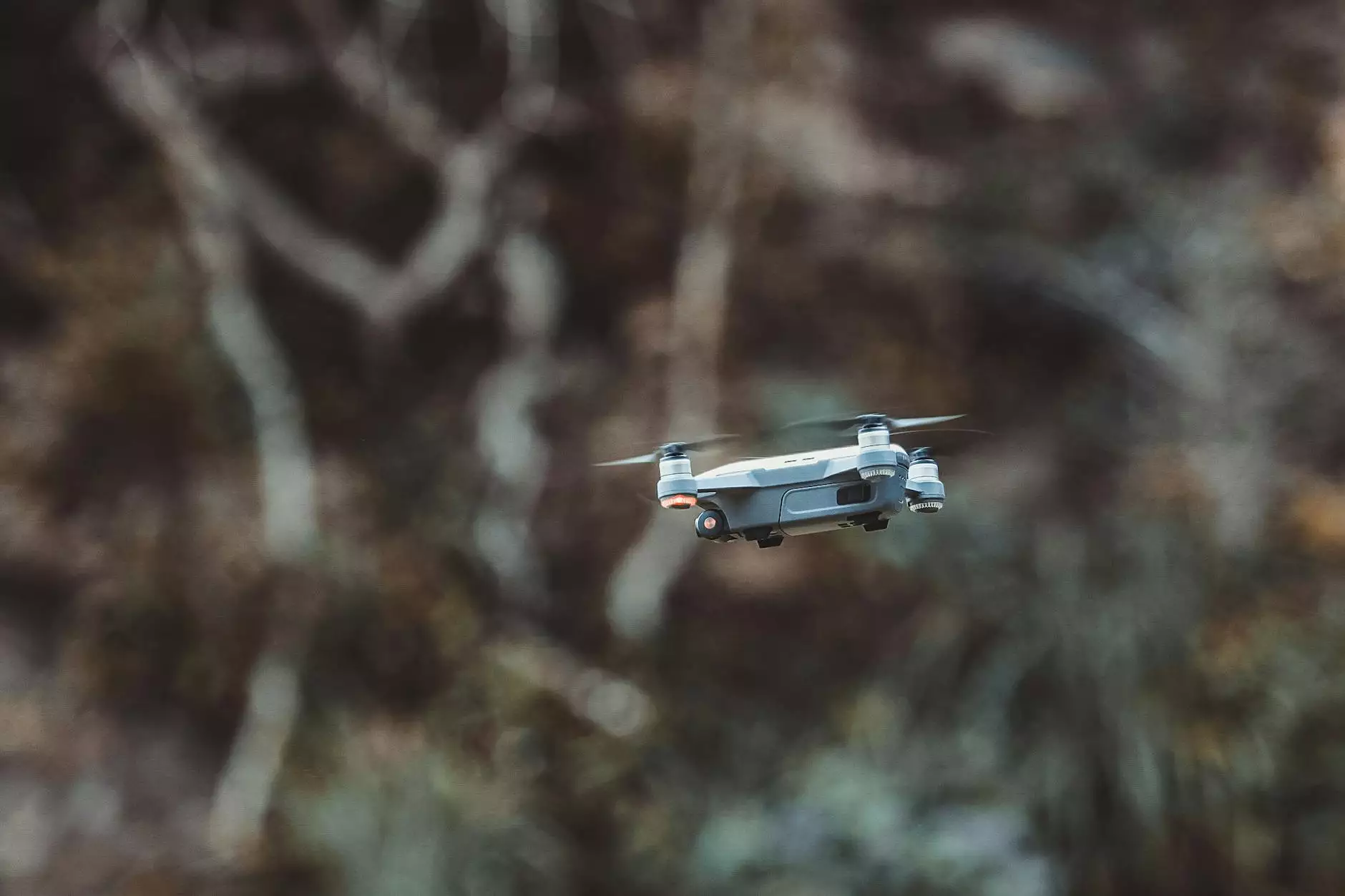
In recent years, drones have emerged as a groundbreaking technology, fundamentally altering the way many industries operate. This article explores the myriad ways that a drones are reshaping the business landscape, redefining operational efficiencies, and creating innovative solutions for modern enterprises. From logistics to photography, discover why drones are the future of business.
Understanding Drones: A Technological Overview
Drones, or unmanned aerial vehicles (UAVs), have evolved significantly since their inception. Initially used primarily by the military, these versatile machines have found applications across diverse sectors. Equipped with advanced sensors, cameras, and GPS technology, drones provide unparalleled functionality and adaptability.
The Components of Drones
- Frame: The structural body that houses all components and gives drones their shape.
- Motors: Essential for powered flight, motors propel the drone upward.
- Propellers: Work with the motors to generate lift and allow maneuverability.
- Battery: Supplies energy for flight, with varying capacities affecting performance and flight time.
- Transmitter and Receiver: Facilitates communication between the drone and the operator.
- Sensors: Provide data input such as altitude, speed, and positioning, crucial for navigation and safety.
Market Trends in Drones
The global demand for drones is experiencing unprecedented growth. According to industry reports, the drone market is projected to reach over $43 billion by 2024. Several factors contribute to this surge, including:
- Increased Adoption Across Industries: Industries such as agriculture, construction, and logistics are increasingly adopting drone technology for its efficiency and cost-effectiveness.
- Advancements in Technology: Enhanced battery life, improved sensors, and sophisticated AI capabilities make drones more accessible and functional.
- Regulatory Support: Governments around the world are implementing regulatory frameworks to accommodate and promote drone usage.
- Growing Consumer Awareness: As more businesses recognize the benefits, the demand for drones is expanding outside traditional sectors.
How Businesses Can Leverage Drones
Businesses across various sectors can harness the power of drones to enhance their operations. Here are some key areas where a drones can make a significant impact:
1. Logistics and Delivery
Drones offer revolutionary solutions for logistics and delivery. With the ability to transport goods quickly and efficiently, businesses can significantly reduce delivery times and costs. Companies like Amazon and UPS are already exploring drone delivery systems, leveraging the technology to attain a competitive edge.
2. Agriculture
In agriculture, drones are invaluable for precision farming. They enable farmers to monitor crop health, assess irrigation needs, and optimize yield with real-time data. This not only enhances productivity but also supports sustainable farming practices.
3. Construction and Surveying
The construction industry benefits immensely from drones used for site surveying and mapping. Aerial imagery provides accurate topographic data, enabling better planning and monitoring of construction projects. *Drones* also enhance safety by inspecting hard-to-reach areas without risking human lives.
4. Marketing and Photography
In marketing, drones are redefining how businesses capture visuals. From stunning aerial photography to dynamic video marketing, the capabilities of drones offer unique perspectives that enhance brand storytelling. Businesses in real estate, tourism, and entertainment can harness this to attract customers.
The Economic Impact of Drones
The economic implications of adopting drones are profound and far-reaching. Here’s how a drones can potentially affect various areas:
Cost Savings
Utilizing drones for tasks such as inspection and monitoring can lead to significant cost savings. They often replace the need for expensive equipment and reduce the reliance on labor-intensive processes. For instance, drone surveys can replace traditional ground surveys, saving both time and resources.
Enhanced Efficiency
Drones can conduct tasks more quickly than human workers. In agriculture, for instance, a drone can cover large areas in a fraction of the time it would take a person to walk through the same fields. This increased efficiency translates directly into productivity gains for businesses.
Job Creation
While there are concerns about automation displacing jobs, the drone industry creates new opportunities. There is a growing need for drone operators, maintenance professionals, and data analysts who can interpret the information drones collect. These positions require specialized training, contributing to workforce development.
Challenges of Drone Integration in Business
Despite the benefits, several challenges must be addressed when integrating drones into business operations:
Regulatory Compliance
Businesses must navigate a complex web of regulations governing drone usage. Compliance with national and local laws regarding airspace, privacy, and safety can be challenging, particularly for companies looking to scale operations rapidly.
Technical Limitations
Drones are subject to technical limitations, including battery life restrictions and payload capacities. Businesses need to evaluate these factors carefully to ensure that drone solutions align with operational needs.
Privacy and Safety Concerns
As with any emerging technology, there are concerns about privacy and safety. Ensuring that drones are used ethically and responsibly is imperative. Businesses must develop clear policies to address these concerns and foster trust with the communities they serve.
The Future of Drones in Business
The future of drones looks promising as innovations continue to emerge. Areas to watch include:
1. Advanced Autonomous Operations
With advancements in AI, drones are becoming increasingly autonomous. This evolution will reduce the need for human operators, enabling drones to perform complex missions independently, further increasing operational efficiency.
2. Integration with IoT
As the Internet of Things (IoT) expands, the integration of drones with IoT networks will enhance data collection and real-time monitoring capabilities. This synergy will allow businesses to harness vast amounts of data to drive informed decisions.
3. Environmental Monitoring
Drones can play a crucial role in environmental conservation by monitoring wildlife, tracking deforestation, and assessing the health of ecosystems. Companies committed to sustainability can leverage drones for eco-friendly initiatives.
Conclusion
In conclusion, the advent of drones represents a significant technological advancement with the potential to transform many aspects of modern business. Industries that harness the capabilities of a drones stand to gain a distinct competitive edge, creating not only efficiencies but also innovative solutions to longstanding challenges. As we look to the future, it is clear that drones will continue to influence business strategies, drive productivity, and open new avenues for growth. Businesses that embrace this technology early will position themselves as leaders in their respective markets.