Maximizing Efficiency and Cost-Effectiveness with the Best Air Freight Price Per Kg
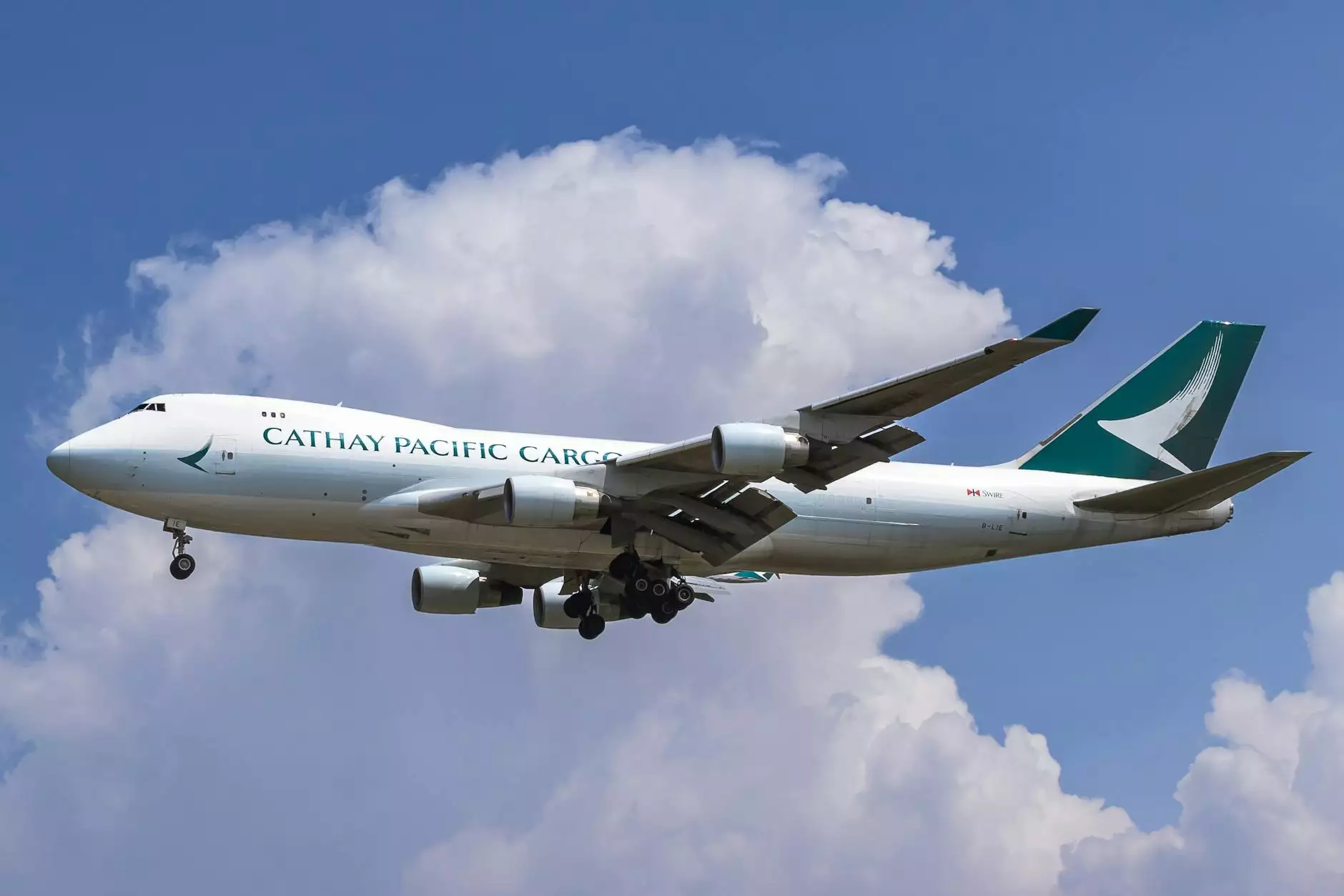
In today's dynamic global marketplace, businesses increasingly rely on fast, reliable, and cost-effective shipping solutions to maintain their competitive edge. Among the various modes of transportation, air freight remains the preferred choice for many organizations due to its speed and global reach. Central to optimizing air freight logistics is understanding the air freight price per kg—a crucial metric that directly impacts your overall shipping budget and supply chain efficiency.
The Significance of the Air Freight Price Per Kg in Modern Business Logistics
The air freight price per kg is more than a simple number; it embodies multiple facets of your shipping strategy. It determines how much you will pay to deliver one kilogram of your products via air freight, influencing your profit margins, pricing structure, and customer satisfaction. Accurate knowledge of this price facilitates informed decision-making around carrier selection, routing, and timing.
Factors Affecting the Air Freight Price Per Kg
Understanding what influences the air freight price per kg allows businesses to optimize their costs and negotiate better rates. Some key factors include:
- Distance and Route Complexity: Longer routes and those passing through congested or less accessible airports often have higher costs.
- Weight and Volume: While the price per kg is a standard metric, volumetric weight calculations can also influence costs, especially for bulky but lightweight shipments.
- Type of Cargo: Hazardous materials, sensitive goods, or oversized cargo may attract premium charges due to special handling requirements.
- Carrier and Service Level: Leading freight carriers with extensive networks may charge more but offer superior reliability, while economy options tend to be more affordable.
- Fuel Prices: Fluctuations in fuel prices directly impact air freight costs, often resulting in variable rates across different periods.
- Regulatory and Customs Fees: Different countries impose varying tariffs, duties, and compliance costs that influence the overall price per kg.
- Market Demand and Capacity: During peak seasons or periods of high demand, rates tend to escalate due to limited capacity.
Strategies to Reduce Your Air Freight Price Per Kg in Business Operations
To stay competitive and improve your bottom line, mastering cost optimization strategies related to air freight is essential. Here are some practical approaches:
- Negotiate with Multiple Carriers: Building relationships and negotiating volume discounts can significantly lower your per kg costs.
- Optimize Packaging: Proper packaging reduces volumetric weight, ensuring your shipments are priced based on actual weight rather than volume.
- Plan Shipping Schedules in Advance: Advanced planning allows you to secure better rates during off-peak times and avoid last-minute surcharges.
- Streamline Customs and Documentation: Efficient customs clearance reduces delays and additional fees, keeping costs predictable.
- Consolidate Shipments: Combining multiple small shipments into a single larger consignment often results in lower costs per kg.
- Leverage Technology and Data Analytics: Using smart tools for route optimization and rate comparison helps identify the most economical options.
- Focus on Reliable and Experienced Freight Forwarders: Partnering with reputable providers like cargobooking.aero ensures transparency, competitive rates, and seamless logistics management.
The Role of Cargobooking.aero in Providing Competitive Air Freight Price Per Kg Solutions
At cargobooking.aero, our mission is to connect businesses with the most competitive air freight price per kg by leveraging a vast network of trusted airlines and freight carriers. Our platform offers:
- Real-Time Rate Comparison: Access current rates from multiple providers to make informed decisions instantly.
- Customized Shipping Solutions: Tailor your logistics plan based on specific needs, including cargo type, timing, and budget.
- Transparent Pricing: No hidden fees—know exactly what you are paying for every kilogram shipped.
- Expert Consultation: Our team of logistics specialists guides you to minimize costs while maximizing efficiency.
- Integrated Documentation Services: Seamlessly handle all customs, compliance, and documentation requirements.
Utilizing a technology-driven approach, cargobooking.aero enables your business to achieve lower air freight price per kg while ensuring timely and safe delivery of your goods. Our platform's versatility and transparency help you stay ahead in a competitive environment, ensuring that logistics costs do not hinder growth.
Understanding the Impact of Air Freight Price Per Kg on Global Business Trends
As international trade continues to expand, the importance of understanding the air freight price per kg becomes even more critical. Businesses that optimize their shipping costs can:
- Expand Market Reach: Lower transportation costs enable entry into new markets without prohibitive expenses.
- Reduce Lead Times: Faster deliveries facilitate just-in-time inventory management and enhanced customer satisfaction.
- Enhance Profit Margins: Cost savings directly contribute to increased profitability, especially for high-volume shippers.
- Improve Supply Chain Resilience: Flexibility in freight options and cost management helps navigate geopolitical or economic disruptions.
Furthermore, innovations such as increased automation, digital cargo management, and sustainable aviation fuel are poised to influence future air freight prices per kg. Businesses investing in these areas position themselves advantageously in the evolving logistics landscape.
Future Trends in Air Freight Pricing and Logistics
The freight industry is witnessing a transformation driven by technology, environmental concerns, and evolving global trade policies. Some key future trends include:
- Dynamic Pricing Models: Real-time rates adjusted based on market demand, capacity, and fuel costs.
- Increased Use of Data Analytics: Predictive analytics to forecast rate fluctuations and optimize booking strategies.
- Sustainable Shipping: Adoption of greener fuels and eco-friendly practices that may influence cost structures.
- Automation and AI: Streamlining operations to reduce costs and improve transparency, potentially lowering the air freight price per kg.
- Enhanced Connectivity: Integration of digital platforms for seamless booking, tracking, and documentation management.
As these innovations unfold, staying informed about air freight price per kg trends becomes crucial for strategic planning.
Conclusion: The Strategic Advantage of Mastering Air Freight Price Per Kg
Efficiently managing your air freight price per kg is fundamental to maintaining a competitive edge in today’s interconnected world. By understanding the factors that influence costs, employing strategic negotiation and packing techniques, and leveraging advanced technology platforms like cargobooking.aero, your business can significantly reduce shipping expenses and enhance overall supply chain performance.
Remember, the key to success lies in proactive management, continuous market monitoring, and cultivating strong partnerships with reliable freight forwarding providers.
Investing time and resources into optimizing your air freight logistics will not only save money but also improve service quality, customer satisfaction, and business growth. Embrace innovation, stay informed about market trends, and utilize expert tools to turn logistics costs into a strategic advantage.